Friday, August 2, 2013

Reaching For Sun

Reaching For Sun 

By: Tracie Vaughn Zimmer
Published by Bloomsbury Children's Books, 2007


Beautiful, Heartfelt, Unique style, Friendship, Strength, Inspirational

Awards:
  • Schneider Family Book Award for Middle School Book (2008)
Summary:
Written in free-verse poetry, this story is told from the perspective of Josie Wyatt - a 7th grade girl with cerebral palsy. She lives with her mother and grandmother on their family farm that continues to be bought by developers year after year. At school she is isolated by all her peers because she is "different." Her mom is hardly ever home, due to the fact that she works and goes to school full time. But when she is home she relentlessly dwells on Josie's disability and forces her to do her exercises. When a new boy, Jordan moves into the neighborhood, they quickly form a friendship that continues to blossom as time goes on. Josie feels as though she can be herself around Jordan. She forgets about her differences from everyone else and is able to just enjoy being a kid. Although the novel is short, the author takes us through an entire year of Josie's life and we as readers are able to see the drastic development of her character through the beautifully intertwined lines of  free verse poetry.


Reading Level: Lexile Framework N/A, Grades 5/6
Suggested Delivery: Independent Read or Small group read


Key Vocabulary: (by page number) Special ed (4), occupational therapist (6), cerebral palsy (6), heirloom (29), foliage (43), Boll weevil (47), tuberous (56), whirligig (65), spores (68), dollops (72), metronome (87), akimbo (97), morse code (101), caustic (128), fandangled (168)


3 Teaching Suggestions:
  1. Use this novel to introduce the students free verse poetry to students. Or introduce them to the concept of free verse poetry being used throughout an entire novel to an in depth story. 
  2. Use this text to teach students about different disabilities  (specifically cerebral palsy) and how it is important to treat everyone, no matter what the differences are, with respect and kindness. 
  3. Use this book as an extension on a plant or gardening science unit/lesson.

Before Reading: Practice reading poetry (including free verse poems), prior to reading this novel. Have students practice reading as well as writing free verse poetry so they feel comfortable with it. Use the Comprehension - Understanding Poems chart (found in the electronic resources section), to help students dissect the many different poems they read.

During Reading: While students are reading the text, have them keep an ongoing journal. After each day of reading ask students to pick the poem that they thought was their favorite. Write a short journal entry explaining why they chose this poem as their favorite, what Josie is talking about in the poem and how it contributes to the story. 

After Reading: After reading this text, spark a class discussion. How do you personally relate to this text? How did Josie's character change throughout the story? What did you learn about cerebral palsy? Was there ever a time you didn't feel accepted?  Do you think it was a good choice by the author to write this story in the style of free - verse? If there are any students who do not feel comfortable sharing any of their answers, ask them to journal their responses.

Writing Activity: The entire text is told through the eyes of only one character, Josie. Have the students experiment and get creative by writing 2 or 3 poems through another character's point of view, (Jordan, Grams, Mom). The students can choose a poem from the story for guidance. They can choose to write a poem that would fit in at any point during the novel, or they can choose to write a poem about what they think happens after the story is over. The whole point of the assignment is to be creative! (But also have fun)! Use good vocabulary words and try your best to make it sound like the character you have chosen!


2 Electronic Resources:
  1. United Cerebral Palsy: This website contains information all about the disability, cerebral palsy. If students have any questions about the disability this is a great source for them to access so they can have a better understanding of cerebral palsy.


    2. Lesson Ideas & Discussion Guide: This link brings will bring you to a blog created by Tracie Vaughn Zimmer herself. She provides countless discussion questions and activities for teachers to use in their classroom. A lot of the questions are great for writing prompts or simply to discuss the book further in depth so students have a better understanding of the story. I believe this link is most helpful if teacher's are having difficulty coming up with activities to do with their students before, during or after reading this text.
    Author Tracie Vaughn Zimmer


    Zimmer, T. V. (2007). Reaching for sun. New York: Bloomsbury Children's Books

No Ordinary Day

No Ordinary Day

By: Deborah Ellis
Published by Groundwood Books, 2011


Inspirational, Adversity, Enlightening, Acceptance, Survival, Well-developed characters, Selflessness

Awards:
  • South Asia Book Award Nominee for Grades 6 & Above (2012)
  • Governor General's Literary Awards Finalist (2011)
  • Golden Oak Award Finalist (2012)

Summary:
Young Valli lives in the poor village of Jhari, India. She spends her days picking up coal in order to make money to feed her family. However, her family is very cruel to her with her cousins often threatening her with the "monsters" who live on the other side of the tracks. She finds out shortly after that the people she is living with isn't really her family; they took her in after her mother died and her grandparent's couldn't care for her any longer. Upon finding this out, she decides to run away. So she hitches a ride on a truck that takes her into the city of Kolkata and she has no choice but to live on the streets. Being barefoot, she often hurts her feet, however, she claims to not feel any pain making them, "magic feet." One day she meets a very kind doctor who brings her to the hospital to treat her injured feet. She learns that she has a disease called leprosy and that those "monsters" living on the other side of the tracks also suffered from the disease, which is why they looked the way they looked. Although scared at first, Valli learns to accept the disease she has and chooses to get the treatment the kind doctor offers her. 

Author Deborah Ellis

Reading Level: Lexile, 580L, Grade 5/6
Suggested Delivery: Small group read


Key Vocabulary: (by page number) saris (25), pakoras and bhaji (31), namaste and cheroot (39), roti and dal (43), Bollywood (46), rupees and rickshaws (61), ghat (78), cremating (80), stethoscope (94), leprosy (98), oath (130), malnourished (141), roti chart (149)


4 Teaching Suggestions:
  1. Use this text to teach the students about the country of India. Expose them to their culture and ways of life and how they are different from our culture.
  2. Use this text to teach students the importance of not judging a person by their appearance. Write the word stereotypes on the board and ask students what it means and the different types of stereotypes there are. 
  3. Use this book as a link between fiction and the real world. Discuss real world issues (such as poverty, disease, stereotyping, etc). Ask them to propose solutions or what they can do as individuals to help improve these issues.
  4. Use this text to teach students about how lucky and blessed they are to be living in this country. Discuss with them all of the privileges they have that they take for granted. Ask them to think about how different their lives would be if they lived in a third world country.
Before Reading: Perform an activity with the students regarding stereotypes. Ask students what stereotypes are and to provide examples. How do stereotypes make them feel? Slowly begin to bring in some stereotypes from the texts, so students are familiar with them when they come upon them while reading.

During Reading: After completing each chapter of the text, have students write in a journal. Let them know that they can write down anything they want to, whether it's questions, personal thoughts and feelings, etc. If they feel comfortable sharing their journal with their peers allow them to do so.

After Reading: Two of the main topics discussed throughout this novel are homelessness and disease. Ask students how Valli overcomes these obstacles and how she managed to survive against the odds. After having this discussion, create a large chart and ask the students to come up with ideas of how they could help with these causes. What could the contribute? Allow them to do some independent research. 

Writing Activity: Students will be asked to make a text-to-self connection. They will pick one experience they have had involving stereotypes, whether it was them who was stereotyped or they know someone affected by stereotyping. Have them describe their experience as well as their personal feelings. If they could go back and change something about the situation, would they? How are they going to try and improve stereotyping in our society?


2 Electronic Resources
  1. World Health Organization: The World Health Organization, (WHO), has a website that provides all the facts regarding the disease, leprosy. It provides descriptions of the different symptoms and explains that there is a cure and treatment for those who suffer from it. The website also gives a history about the disease and WHO explains what they are constantly doing to help those who suffer from it. This is a good resource for students who have questions regarding the disease and need to educate themselves about it. It is a good website to review before or during the reading of this text.


  2. Teaching About Homelessness: This link will bring you to site where you will find a whole list of lesson plans regarding the sensitive topic of homelessness. The Illinois State Board of Education compiled this list and with the significant number of lessons on this website it is certain that there will be one that will work for your classroom or that will compliment the text, No Ordinary Day.


Ellis, D. (2011) No ordinary day. Toronto: Groundwood Books

Ninth Ward

Ninth Ward

By: Jewell Parker Rhodes
Published by Little, Brown and Company, 2010

Strength, Inspiring, Coming of age, Historically relevant, Demonstrates resilience


Awards:
  • Dorothy Canfield Fisher Children's Book Award Nominee (2012)
  • Goodreads Choice Award Nominee (2010)
  • Coretta Scott King Award for Author Honor (2011)
  • The Judy Lopez Memorial Award for Children's Literature Honor (2011)

Summary:
Lanesha, a twelve year old girl, lives in a small neighborhood in New Orleans with her loving caretaker, Mama Ya-Ya.  Mama Ya-Ya is especially wise and has the ability to foresee future events. When she has a vision of a powerful storm - Katrina - fast approaching, Lanesha must stir up all the hope and courage she has to help them both survive this monstrous hurricane. This story demonstrates the true meaning of friendship, family and the strength of love.

Reading Level: Lexile, 470L, Grade 3.3
Suggested Delivery: Small group read, Whole class instruction

Key Vocabulary: (by page number) caul (1), synopses (5), clodhopper (12), fortitude (25), unfathomable (70), indigents (118), loitering (125), omen (125), sirens and banshees (129), bittersweet (145), siphoning (148)

3 Teaching Suggestions:
  1. Use this text to explain (in depth) the concept of character development. Help students to explore this concept by guiding them through the development of the main character, Lanesha.
  2. Throughout the text, there are a significant amount of vocabulary words that Lanesha uses. Choose a new word everyday and have a short discussion about what they think it means. When they have decided on a definition, ask them to write a sentence using it and then share their sentence with a peer or with the rest of the class.
  3. Use the text to teach students what a tragedy is. Explore/research other tragedies that have occurred in American history. How would they feel if some sort of tragedy happened to them? What can we do to help others affected?
Before Reading: Create a large K-W-L chart and place it in the front of the classroom. Ask students to share what they already know about Hurricane Katrina or hurricanes in general. Then ask them what they would like to learn about hurricanes and Hurricane Katrina. Then have the students make predictions about the book. 

During Reading: Have students keep a list of all of the vocabulary words that Lanesha uses throughout the text. If Lanesha provides them the definition ask them to write the definition provided. If the definition is not given, ask students to use context clues and write down their best guess. Then have students look up the definition in a dictionary to see how accurate their guess was. Make sure to set aside several minutes to discuss why this particular word is important to the story.

After Reading: Go back to the K-W-L chart that students created before reading the novel and have them complete the (L) section of the chart. This can either be done as a whole class or students can do this in pairs. Upon completion of the chart, create an open discussion with the students by asking questions such as: What is it about Lanesha that makes her so special? How do you think this contributed to her being so heroic? What do you consider to be special about yourself? What skill or quality makes you unique from others? 

Writing Activity: Fortitude is a word used quite often in the text and carries much meaning. How does Lanesha, Tashon, or Mama Ya-Ya demonstrate fortitude? Ask students to support their short answer with an example from the book.

OR

Have students create newspaper articles about the devastation caused by Hurricane Katrina. Allow students to do research on the event and write an article including details about the hurricane, the devastation it caused and what other's can do to help those that were affected by it.

2 Electronic Resources:
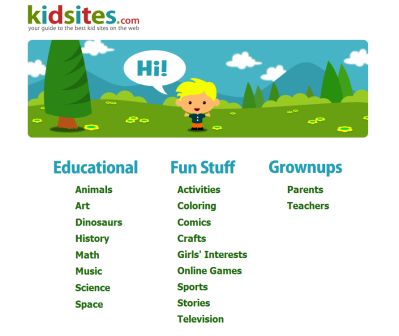
  1. Kidsites: This website provides a list of outside links to child friendly websites regarding all subject matters. However, one of the science topics listed is all about hurricanes. By clicking on these links students can learn the history behind hurricanes and how they are formed. Teachers are encouraged to use this website for all subjects, not only science!


    2. Scholastic News: This link goes to a website which has several articles written by both children and teachers about the great tragedy, Hurricane Katrina.  Within the articles they list all the ways that they were able to contribute and help those in need. Students can visit this website to gain more insight to the horrible tragedy as well as to understand how their newspaper article should be written. Also, a list of charities is posted on the website. Students can visit these charities websites to see what exactly each charity does. 


Rhodes, J.P. (2010) Ninth ward. New York: Little Brown and Company

Thursday, July 11, 2013

The Tale of Despereaux

The Tale of Despereaux: Being the Story of a Mouse, a Princess, Some Soup, and a Spool of Thread

By: Kate DiCamillo
Published by Candlewick Press, 2003


Fairy tale, Determination, Perseverance, Heroic, Strong, Non-conforming

Awards:
  • 2004 Newbery Award Recipient 
Summary:
The Tale of Despereaux is magical tale that tells the story of a young mouse named Despereaux Tilling who has fallen in love with the beautiful human princess. When the Princess is captured and needs to be rescued, Despereaux embarks on a dangerous quest to rescue her. There are three separate stories explored in this novel, each from a different character's perspective. The first is about the mouse, Despereaux Tilling, the second is about a rat seeking revenge, and the third about a girl who wants nothing more than to be a princess. This novel is great for students because it follows the pattern of a typical fairy tale, but it's a very interactive text that can provide students with a fun educational experience.

Reading Level: Lexile, 670L, Grade 4/5
Suggested Delivery: Read-aloud, whole class instruction


Key Vocabulary: (by page number) despair (12), obscenely (17), scurrying (20), indignant (24), fate (25), perfidy (45), egregious (52), defiance (56), ominous (57), beleaguered (77), capacious (111), clout (128), scrupulously (129), portentous (167), comeuppance (185)

3 Teaching Suggestions:
  1. Use this text to explain/discuss (in depth) the characteristics of a fairy tale. Does it follow this typical outline of a fairy tale? Why or why not?
  2. When reading this text aloud, stop at the points when the author speaks directly to the  reader. How does this type of interaction feel for the reader? Have they read any other novels where the author does this? Is it an effective way to get a point across?
  3. Use this text to explain as well as to explore the concept of a hero. What makes somebody a hero? (Qualities & characteristics) Ask students to share ideas with the class as well as who they consider to be their hero.
Before Reading: Prior to reading this novel, read and discuss other short fairy tales with students. Examples are: Three Little Pigs, Sleeping Beauty, Little Red Riding Hood, Hansel and Gretel, Cinderella, Snow White, Rapunzel, Goldilocks and the Three Bears, etc. Explain the basic outline/pattern that a fairy tale follows. Create a list/outline on large chart paper for the whole class to see. 

During Reading: While reading this novel, the students will begin to take notice of how significant the concept of "consequences" is. When reading each book (1, 2, 3, and 4) have the students create a flow chart or a graphic organizer that lists all of the important actions performed by the character and to write what the consequence was whether good or bad.
Also be sure to consistently ask the students to make predictions, either state them orally or write them in a journal.

After Reading: Upon completion of this novel, engage in a whole class discussion about whether or not this story ended "happily ever after," like the other fairy tales they read. Ask them to support their answer with information and examples from the story of why they believe it to be happy or not. After this discussion, create a Venn Diagram with the students and have them compare the similarities and differences between the first few fairy tales they read and this story.

Writing Activity: Students will view the movie, The Tale of Despereaux. After watching the movie, ask students to compose a short essay comparing and contrasting the book and the movie version of the book. Have them explain which they liked better, the book or the movie. Their explanation must be thoughtful.

2 Electronic Resources:
  1. Author's Website: Kate DiCamillo: This is a good tool to use before, during or after reading the novel, The Tale of Despereaux. It provides a short biography about Kate DiCamillo and it also provides FAQs where she answers questions regarding her Newbery award winner as well as questions about a couple of her other very popular books. She explains that she writes both children and adult literature and provides a list of all of her books if students/teachers are interested in reading anything else by her. There are also several links that bring you to other websites related to Kate and her novels.
  2. Kate DiCamillo

  3. Watch The Movie: The much loved tale of Desperaux Tilling was turned into a film and hit the big screen back in 2008. By watching this movie, the students will be able to determine the major similarities and differences between the book and the movie. This movie provides the students with a visual of the entire story. Students can also take this opportunity to discuss whether or not the characters/setting and other aspects of the story were as they visualized them to be.


The Princess & Despereaux


DiCamillo, K. (2003) The tale of Despereaux: being the tale of a mouse, a princess, some soup, and a spool of thread. Cambridge, MA: Candlewick Press

Friday, June 28, 2013

Kira-Kira

Kira-Kira

By: Cynthia Kadohata
Published by Atheneum Books for Young Readers - An imprint of Simon & Schuster, 2004


Inspirational, Beautifully-written, Glittering, Epitome of Strength, Diversity

Awards:
  • Winner of the John Newbery Medal, 2005
  • Winner of the American Library Association Notable Books for Children, 2005
  • Winner of the Asian Pacific American Award for Literature, 2005
  • Nominated for the Dorothy Canfield Fisher Children's Book Award, 2006
  • Nominated for the Nene Award, 2006
  • Nominated for the Garden State Teen Book Award, 2007
  • Nominated for the Young Reader's Choice Award, 2007
  • Nominated for the Colorado Blue Spruce Young Adult Book Award, 2007
  • Nominated for the Nene Award, 2007

Summary: 
This novel, written by Cynthia Kadohata is set in the 1950s and centers on a Japanese American family, particularly the two sisters, Katie and Lynn Takeshima. Lynn is Katie's older sister and she makes everything seem kira-kira, or glittering. The sky, people's eyes, the sea... is all kira-kira. However, the family up and leaves their home in Iowa to move to Georgia where the Japanese-American population is very small. Lynn has to explain to Katie why people look at them so differently and tries to teach her to view things in a different light. However, when Lynn falls severely ill, it's up to Katie to restore that sense of happiness and remind her family that no matter how far off, there is always something glittering that lies ahead.

Reading Level: Lexile, 740L, Grade 5/6
Suggested Delivery: Small group read

Key Vocabulary: kira-kira, sultry, capitalistic, mind meld, preening, hatchery, shunned, irate, obstinate, heathen

3 Teaching Suggestions:
  1. Use this text in Social Studies to explore the Japanese culture and compare it with other cultures, specifically the American culture.
  2. Use this text in Social Studies to discuss the time period (1950s) with students and the concept of cultural discrimination. Have students make text-to-self and text-to-world connections regarding discrimination or another similar hardship they have experienced.
  3. Use this text in Reading & Language Arts to discuss the elements of the story, particularly point of view. Inquire how point of view/perspective can affect a story and discuss the point of view in this story. Why do you think the author chose this perspective?
Before Reading: Ask students if they have siblings and have them explain the kind of relationship they have with their sibling. Ask students to describe a typical day with their sibiling: how much they interact, what kinds of activities they do, etc. For students who do not have any siblings, have them imagine what they would want their sibling to be like and what kinds of things they would want to do with their sibling. Pose this question to students  - How would you feel if one day your sibling were no longer a part of your life? How would that affect you? Emphasize the importance of a sibling relationship.

During Reading: Students will be given a story map where they will write down what they believe to be the main themes of the novel as well as track the characters' development throughout the story. They will also make note of the major events that take place. This story map will be progressively added onto as students continue reading the text.

After Reading: Students will discuss with one another and the class as a whole if they believe Katie's character changed throughout the novel. If they think she changed, how did she change? Why did she change? Was it important that she change? How did her change contribute to bringing happiness back into her family's lives?

Writing Activity: The students will take the definition of kira-kira and apply it to their own lives. They will provide 3 examples of what they view as kira-kira and explain why they chose them. How do these three things affect their lives? 

2 Electronic Resources:
  1. Author's Website: Cynthia Kadohata: This is a great tool to use before reading the novel or after reading the novel. It provides a biography of Cynthia Kadohata as well as lists several other books that the author has written for both older and younger readers. There is also a small section within Cynthia Kadohata's biography that explains her inspiration behind writing Kira-kira. Finally, there are several links to outside websites regarding Leukemia and the Japanese-American culture. 
Author: Cynthia Kadohata

  1. Japanese-Americans in the 1950s: This link brings you to a great student handout that describes how Japanese-Americans were perceived during this time period and why. This is helpful for students to read at any point while reading this novel, before, during or after. It allows students to better understand the time period that this novel is set in as well as why Lynn, Katie and their family are treated the way they are treated.
Japanese Flag


Kadohata, C. (2004). Kira-kira. New York: Atheneum Books